


En las bibliotecas de Poudre, escuchamos a muchos padres y cuidadores que buscan recursos para la alfabetización temprana y actividades para ayudar a enseñar a sus bebés, niños pequeños y niños en edad preescolar habilidades lingüísticas y de lectura importantes. Una vez que el niño ingresa a la escuela primaria, el trabajo no termina. De hecho, la atención al desarrollo de las habilidades de alfabetización se vuelve aún más importante a medida que los niños se acercan al tercer grado.
Los educadores consideran que el tercer grado es un hito crucial en el desarrollo de la lectura de los estudiantes. Durante el tercer grado, los niños aprenden a leer; después del tercer grado, los estudiantes leen para aprender.
Muchos estudios recientes han demostrado una gran disminución en la lectura —y en el disfrute de la lectura— entre los 8 y los 9 años. Esto ocurre en una etapa en la que el desarrollo de la lectura es crucial para el aprendizaje futuro.
A Informe escolar afirma que el porcentaje de niños definidos como “lectores habituales” (que leen libros por placer entre 5 y 7 días a la semana) descendió de 57% entre los niños de 8 años a 35% entre los de 9 años. El número de niños que dicen que les encanta leer disminuye significativamente, pasando de 40% entre los niños de 8 años a 28% entre los de 9 años.
Dado que la frecuencia de lectura y la actitud del niño hacia la lectura por diversión son factores que predicen el éxito en la lectura, este "declive por nueve" es sorprendente.
Entonces, ¿cómo ayudamos a los niños a mantener su conexión con los libros y la lectura?
1) Fomenta el amor por los libros desde el nacimiento.
1.000 libros antes del kinder es un programa divertido y gratuito que prepara a los niños pequeños para el éxito en la alfabetización temprana y los ayuda a estar listos para la escuela. Es una forma fácil de preparar a su hijo para aprender y leer compartiendo libros juntos. Para obtener más información e inscribirse, visite PoudreLibraries.org/reading-challenges.
2) Deje que los niños elijan sus propios libros.
Empieza por pedir recomendaciones de libros en la biblioteca. Luego, es importante que los niños elijan los libros que quieren leer, en el formato que prefieran. Cuando los niños eligen el libro, ¡lo leen! Aunque no seas fan de la serie “Diario de Greg”, si a tu hijo le gusta, lo leerá.
3) Sea un modelo a seguir en la lectura.
Cuando los niños ven que los adultos y los miembros de su familia leen, es más probable que lean. Demuestre a sus hijos que valora la lectura y cree una sólida cultura de alfabetización en su hogar. Y no hace falta mucho tiempo...
4) Dedique entre 15 y 20 minutos cada día a leer (fuera del horario escolar).
Eso es todo lo que se necesita para fomentar el amor por la lectura en los niños y seguir desarrollando sólidas habilidades lectoras. Lo que se busca es frecuencia (y constancia) en la lectura: existe una estrecha relación entre el volumen de lectura (tiempo, páginas, etc.) y el rendimiento.
5) Rodee a los niños de libros.
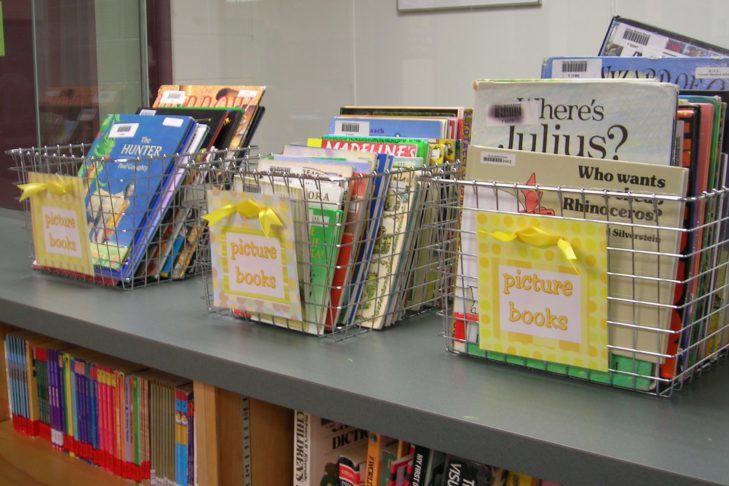
¡El acceso a libros y otros materiales de lectura es importante! Pero no es necesario tener una gran biblioteca en casa para llenar el espacio de su hijo con libros. La biblioteca pública es el recurso ideal para obtener materiales de lectura que se pueden reponer continuamente y que satisfacen los intereses siempre cambiantes de su hijo.
6) Obtenga una tarjeta de biblioteca para su hijo.
Tener su propia tarjeta de biblioteca significa que su hijo adquiere un mayor sentido de pertenencia a la biblioteca. Una tarjeta de biblioteca puede aportar un sentimiento de orgullo y emoción, enseñar habilidades importantes para la vida, como la responsabilidad, y fomentar la independencia en la lectura. Acérquese a cualquier sede de la Biblioteca Poudre para inscribirse o visite PoudreLibraries.org/library-cards para obtener más información.
7) Inscríbete en la Aventura de Verano 2026: Descubre una historia.
Leer es divertido durante Programa de lectura y aprendizaje de verano de las Bibliotecas Poudre., especialmente porque animamos a los niños a elegir sus propios libros y compartir lo que leen con su familia. Además, tenemos premios muy interesantes para animarles a dedicar mucho tiempo a la lectura. El programa de este año, Unearth a Story (Descubre una historia), incluye actividades y aprendizaje divertido para todas las edades, con temática de dinosaurios, paleontología y arqueología, durante todo el verano. La preinscripción comienza el 4 de mayo.
¡Anote en su calendario la aventura de verano de 2026: Descubra una historia! que comenzará en mayo.
Descubra más historias de bibliotecas