


By Annaclaire Crumpton
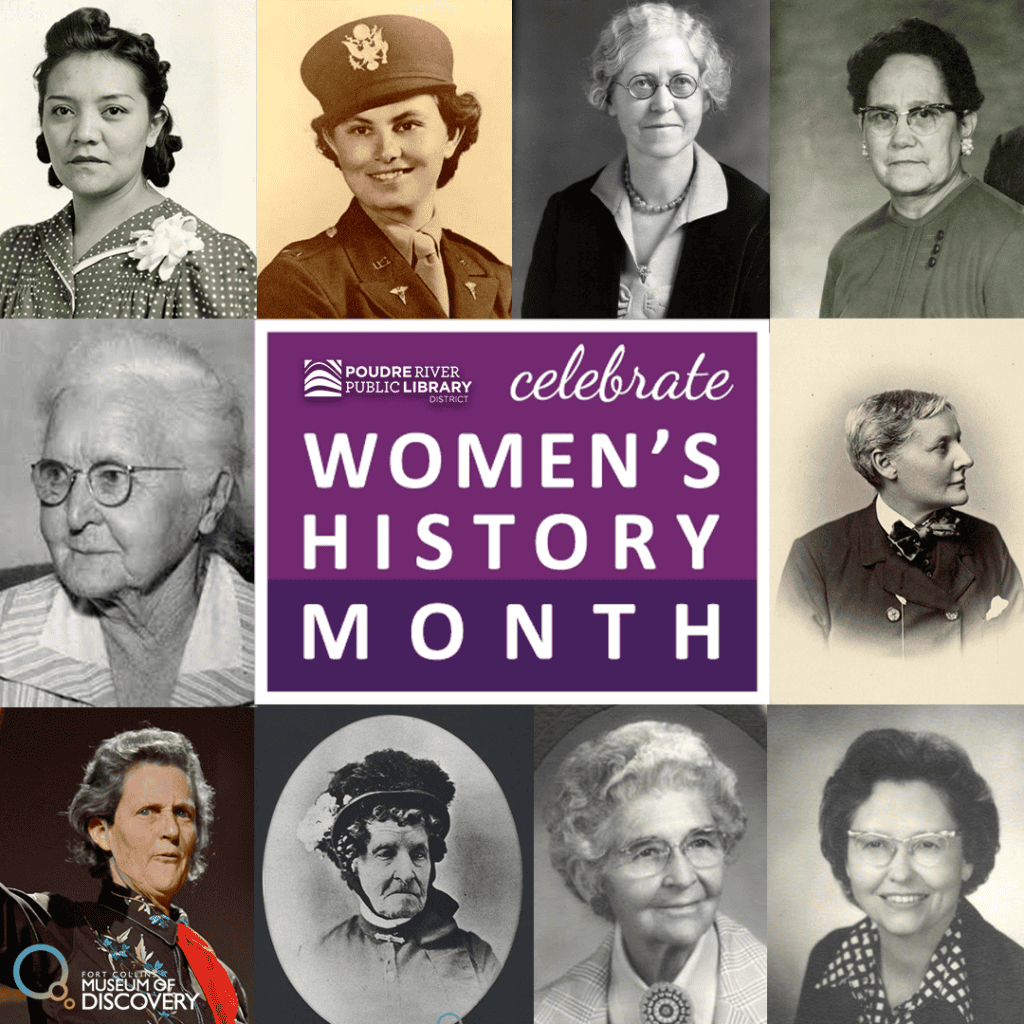
Throughout history, women have shaped communities and led meaningful change. However, many of their contributions fall to the edges of history. Women’s History Month is the perfect time to explore the stories of lesser-known and fierce innovators who shaped Colorado for the last 150 years.
From pioneers in public service to soldiers, historians, and community leaders, we’ve highlighted the histories and accomplishments of women whose work transformed lives and opened doors for future generations. Dive into their stories below and find book recommendations for Women’s History Month at any library location.
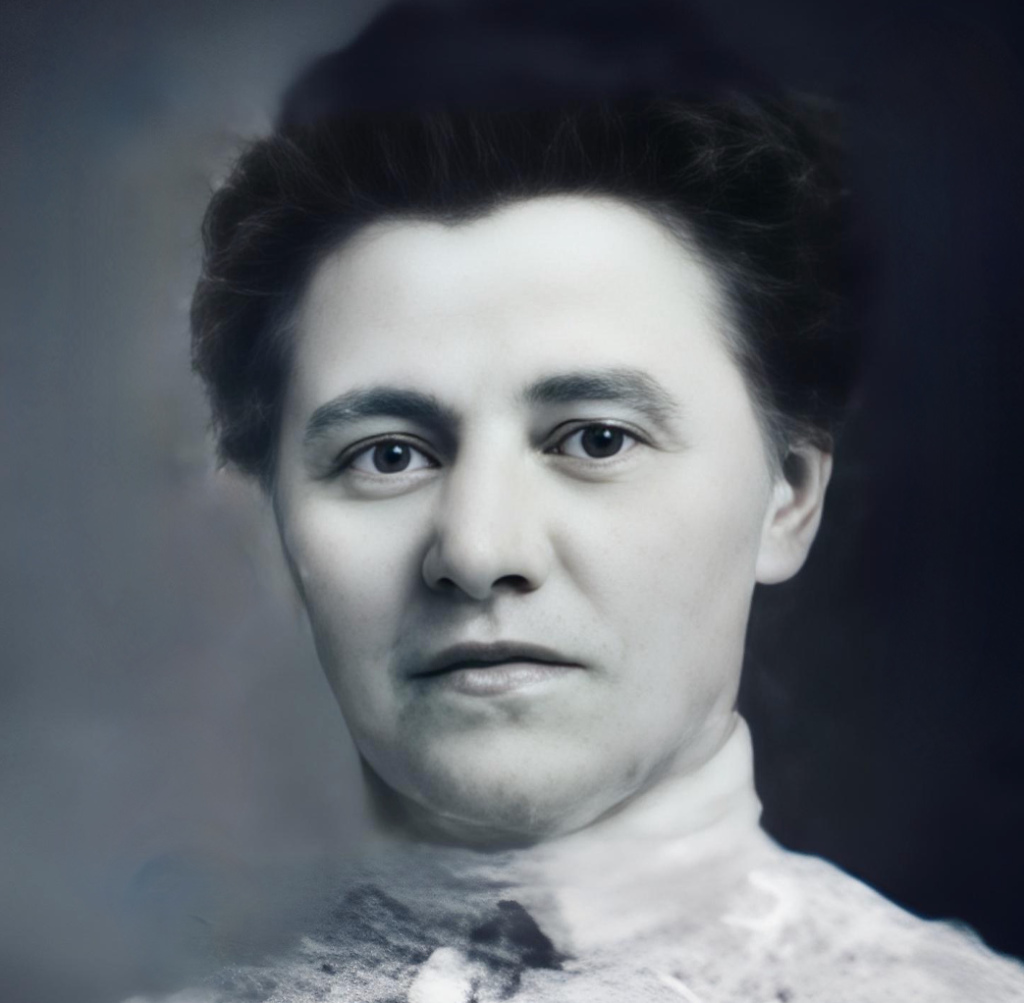
Agnes Ludwig Riddle (1865-1930)
Agnes Ludwig Riddle also known as “Wonder Woman,” was one of the most influential reformers in Colorado’s early political history. After immigrating from Germany at just 16, she became a nurse and midwife before building a life in Colorado, where she grew into a powerful advocate for the underrepresented.
Riddle was the first woman in the nation to serve in both houses of a state legislature and sponsored bills to support the eight-hour workday, minimum wage protections, child welfare, and improvements for agriculture industries. She also helped establish programs that supported rural communities and women’s education, including ones run through Colorado Agricultural College (now Colorado State University) in Fort Collins.
Riddle was also the only woman state senator to ratify the 19th Amendment which gave women the right to vote in the U.S. Constitution. Throughout her life, she worked to uplift women, immigrants, and working families, leaving a legacy of reform and leadership.
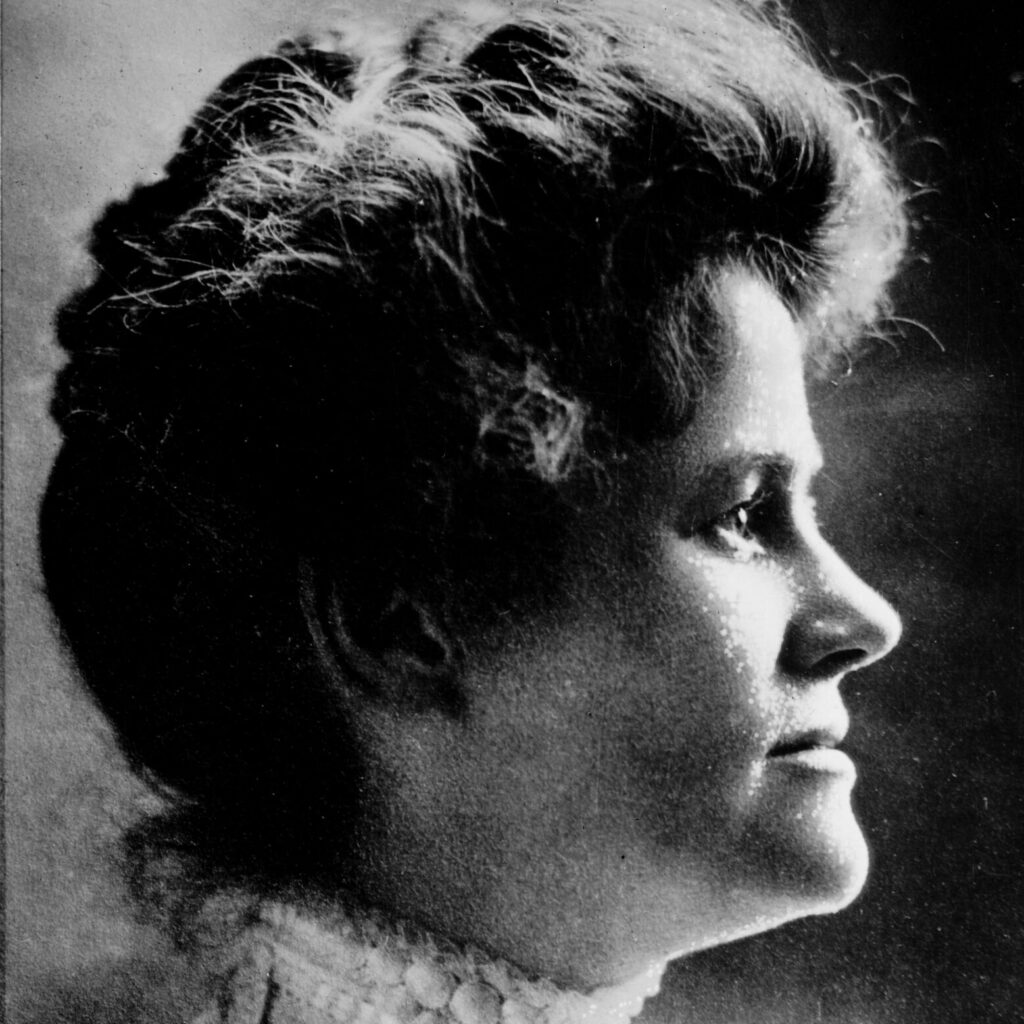
Helen Ring Robinson (1878–1923)
Helen Ring Robinson made history as the first woman elected to the Colorado State Senate and was one of the first in the nation to hold a position of this magnitude. She used her position to advocate for progressive social reforms to benefit women, workers, and vulnerable communities. These included a women’s minimum wage law, women’s suffrage, and the right of women to serve on juries.
She also investigated working conditions at the Colorado Fuel and Iron Company and defended immigrant workers following the tragic 1914 Ludlow Massacre (a mass killing of striking miners). Learn more about the Ludlow Massacre and its impacts on Western society with the book, Blood Passion by Scott Martelle. Her progressive spirit and commitment to workers’ and women’s rights shaped early conversations about equality in Colorado.
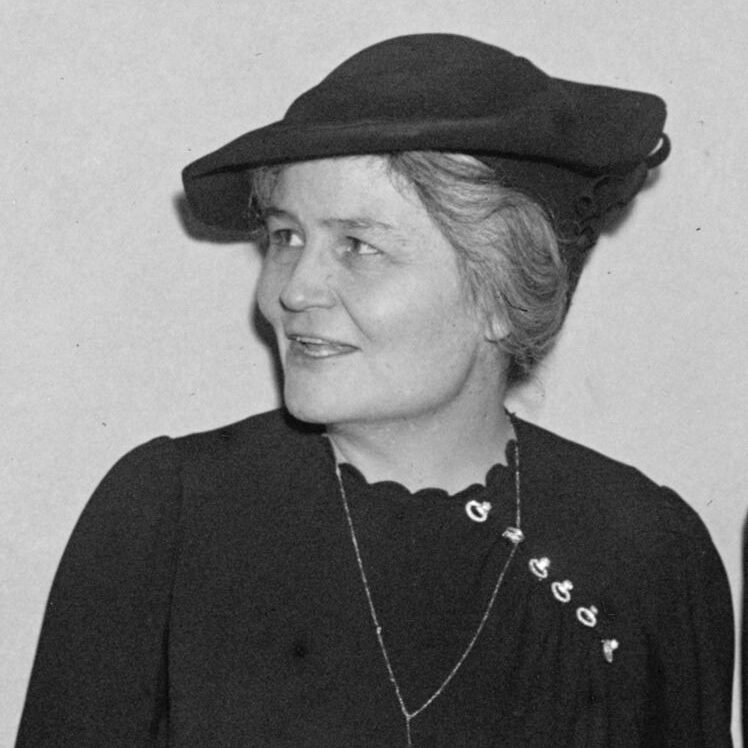
Josephine Aspinwall Roche (1886–1976)
Josephine Aspinwall Roche was a trailblazer in business, labor rights, and public service. Early in her career, she became Colorado’s first policewoman, advocating for children and vulnerable communities in Denver. After inheriting stock in the Rocky Mountain Fuel Company, she became the first woman to run a major coal company. Soon after, she took the unusual step of inviting unionization at her mines, making her operation the first in the west to sign a union contract and raise wages for miners.
Her leadership helped shift conversations about labor rights during a time of intense conflict between workers and corporations. She also supported the families affected by the Ludlow Massacre, helping them seek justice and share their stories. Later, President Franklin D. Roosevelt appointed her Assistant Secretary of the Treasury, making her one of the few women to serve at a high federal level at the time. Throughout her life, Roche worked tirelessly to bridge divides and improve quality of life for the working population.
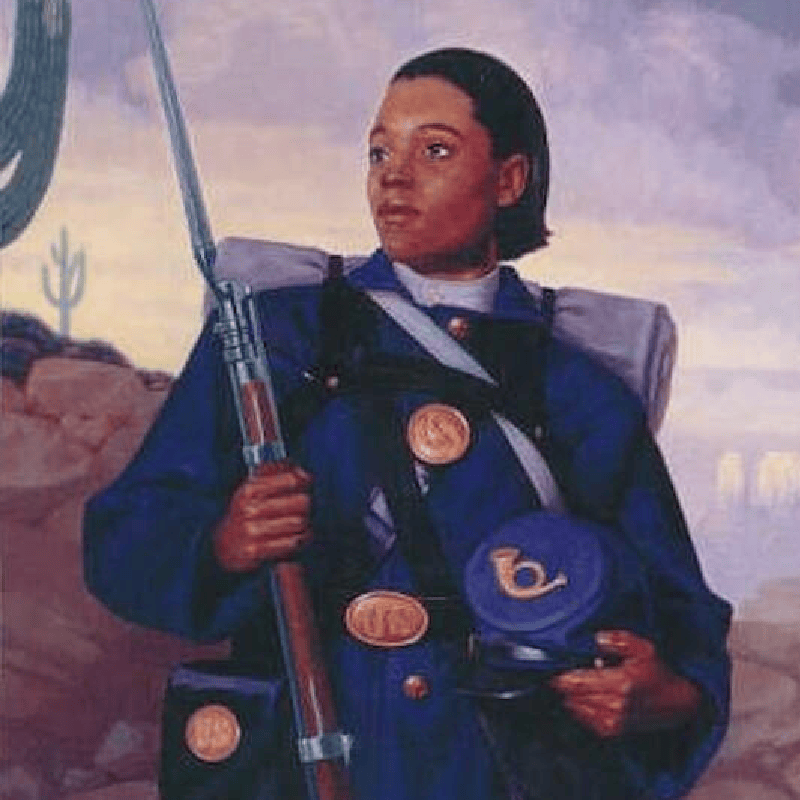
Cathay Williams (1844~1893)
Cathay Williams made history as the first known Black woman to enlist in the U.S. Army. Born enslaved, she escaped bondage from the Johnson Plantation after the Union Army occupied and liberated Jefferson City, Missouri. Some years later, she disguised herself as a man to serve in the U.S. Army (38th U.S. Infantry) under the name William Cathay despite the Army’s ban on women soldiers. After contracting smallpox, her identity was discovered, and she was honorably discharged in 1868.
Williams later moved to Southern Colorado, where she worked as a seamstress and shared her remarkable story with a reporter from St. Louis. Today, she is remembered as the only known female Buffalo Soldier and a symbol of perseverance in the face of barriers.
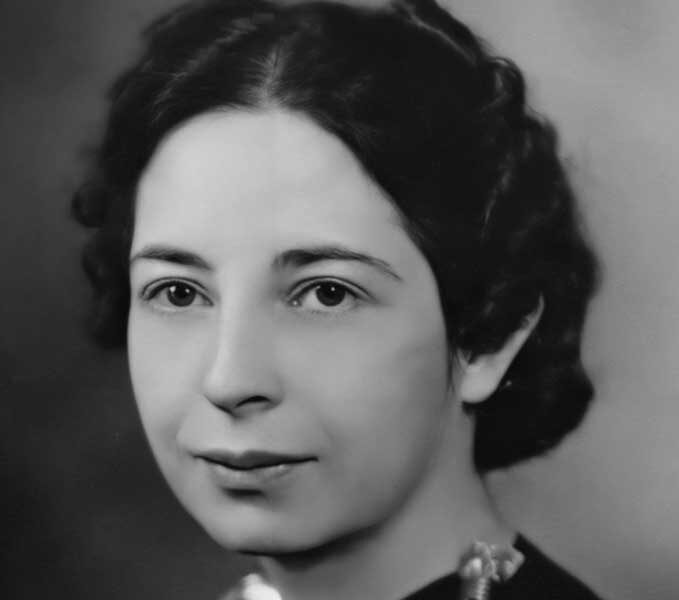
Olibama Lopez Tushar (1911–2007)
Olibama Lopez Tushar devoted her life to preserving the rich history of Hispanic communities in Colorado and the Southwest. Born and raised in the San Luis Valley, she grew up with a deep appreciation for education and her cultural heritage. Tushar was one of the first Hispanic graduates of the University of Colorado Boulder and later earned a master’s degree from the University of Denver.
Eventually, she gathered her academic research into the influential book The People of El Valle which documents more than 300 years of Latine culture and traditions in the San Luis Valley. Tushar also taught in Colorado schools, served in government during World War II, and worked as a translator while continuing her research. Fluent in six languages, she helped bridge cultures and inspire students through education and mentorship.
Today, she remains one of Colorado’s most respected scholars of Hispanic heritage and history. Her legacy is honored by the many academics who continue to share and promote the stories and influence of Hispanic and Latine people in Colorado.
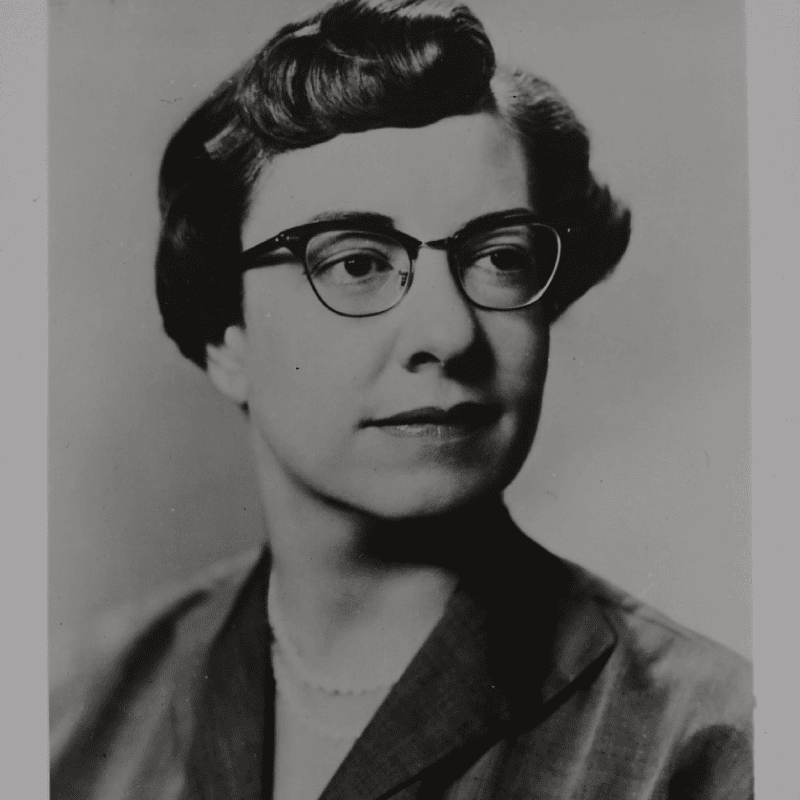
Helen White Peterson (1915-2000)
Helen White Peterson spent her life advocating for equal rights and opportunities for minority communities in Colorado and across the United States. Born on the Pine Ridge Reservation in South Dakota (home to the Oglala Lakota tribe) and raised by her Cheyenne grandmother, she grew up learning the importance of education and public service. Later, Peterson moved to Denver and became deeply involved in community organizing and civil rights work during the Chicano Movement. Her activism increased voter registration and encouraged political participation in minority communities.
Her efforts also contributed to one of the nation’s early fair housing laws and strengthened relationships between civic leaders and diverse communities. Peterson later served as the first woman Executive Director of the National Congress of American Indians. She also helped develop educational programs for Native American students that became models for initiatives nationwide. Throughout her career, Peterson brought people together to confront discrimination and build stronger communities.
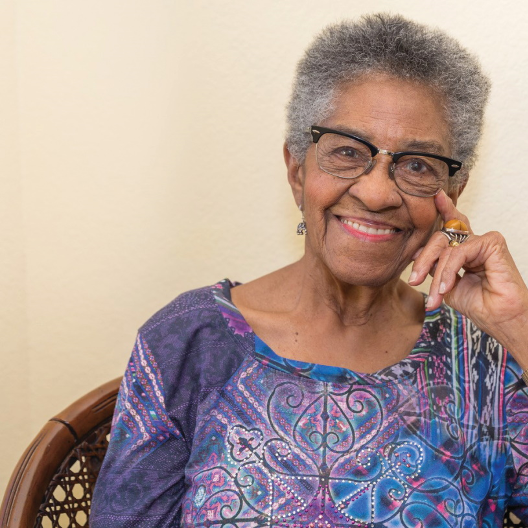
Mildred Pitts Walter (1922 – present)
Mildred Pitts Walter is an award-winning children’s author whose work has inspired generations of young readers. While teaching school in California, Walter noticed a lack of representation of Black children, families, and culture in children’s literature. Determined to change that, she began writing stories highlighting strong, relatable characters and meaningful life lessons.
Her award-winning book Justin and the Best Biscuits in the World earned the Coretta Scott King Award in 1987 and remains popular today. Later in her life, she settled in Denver where she was active in civil rights work with the ACLU and NAACP. She also established programs that supported women’s education and employment opportunities. Through her storytelling and activism, Walter broadened representation in children’s literature. Walter is 103 years old this year and retired in Southern California.
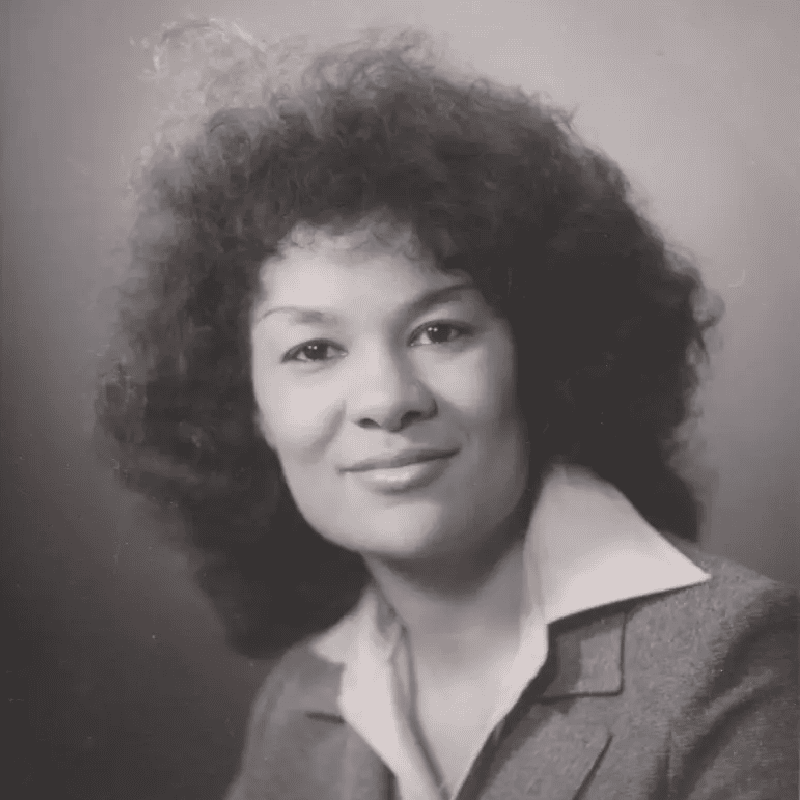
Wilma J. Webb (1944-present)
Wilma J. Webb has spent decades advocating for Colorado communities through public service and civic leadership. After years of organizing voter registration efforts and supporting families in need, she was elected to the Colorado House of Representatives, where she served six terms.
During her time in office, Webb sponsored legislation that established Dr. Martin Luther King Jr. Day in Colorado and expanded health and social support programs for seniors and individuals seeking substance abuse treatment. When her husband, Wellington E. Webb, became mayor of Denver, she continued her leadership as First Lady by promoting arts, culture, and film initiatives across the city. Webb’s lifelong dedication to service continues to shape Colorado communities today.
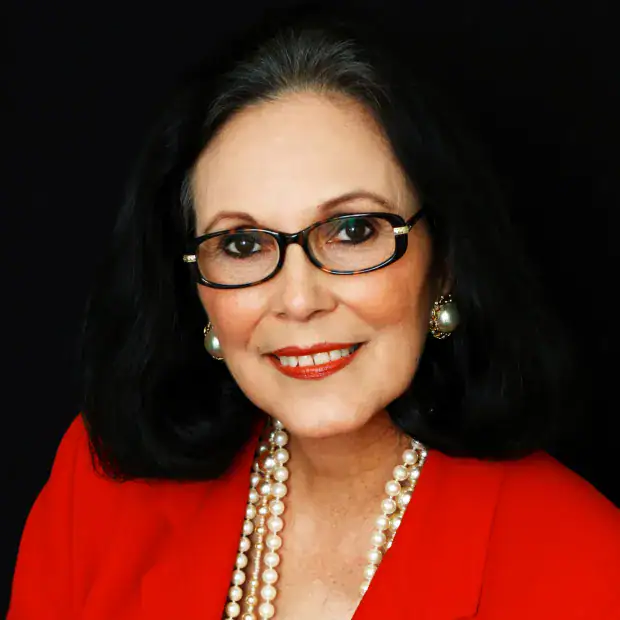
Patricia Barela Rivera (1947-present)
Patricia Barela Rivera’s work has strengthened opportunities for women and diverse communities throughout Colorado. Over the course of her trailblazing career, she has held leadership roles in state government, the Governor’s Office, and the U.S. Small Business Administration. As Colorado’s first Latina Small Business Association District Director, she helped thousands of small businesses grow by expanding outreach and resources for women and minority entrepreneurs.
Rivera also developed Colorado’s first statewide Diversity Plan, ensuring equity across dozens of government agencies. Beyond government service, she has organized leadership initiatives to prepare more than 100,000 women for leadership roles. She also co-founded several organizations including The Progressive Women of Colorado, Adelante Mujer Hispana, Les Mujeres of League of United Latin American (LULAC), the Latina Safehouse and Las Mujeres Valientes.
A special thanks to the Colorado Women’s Hall of Fame for telling the important stories and histories of remarkable women throughout our 150 years of statehood.
More Reading Suggestions